
Cove Burrow shares practical, down-to-earth guidance on coastal home, garden and seaside living for readers across the UK.
- 0123456789
- Angle Bd Abdelmoumen & rue soumaya, Résidence
- [email protected]
Cove Burrow shares practical, down-to-earth guidance on coastal home, garden and seaside living for readers across the UK.
 By Daniel Hargreaves
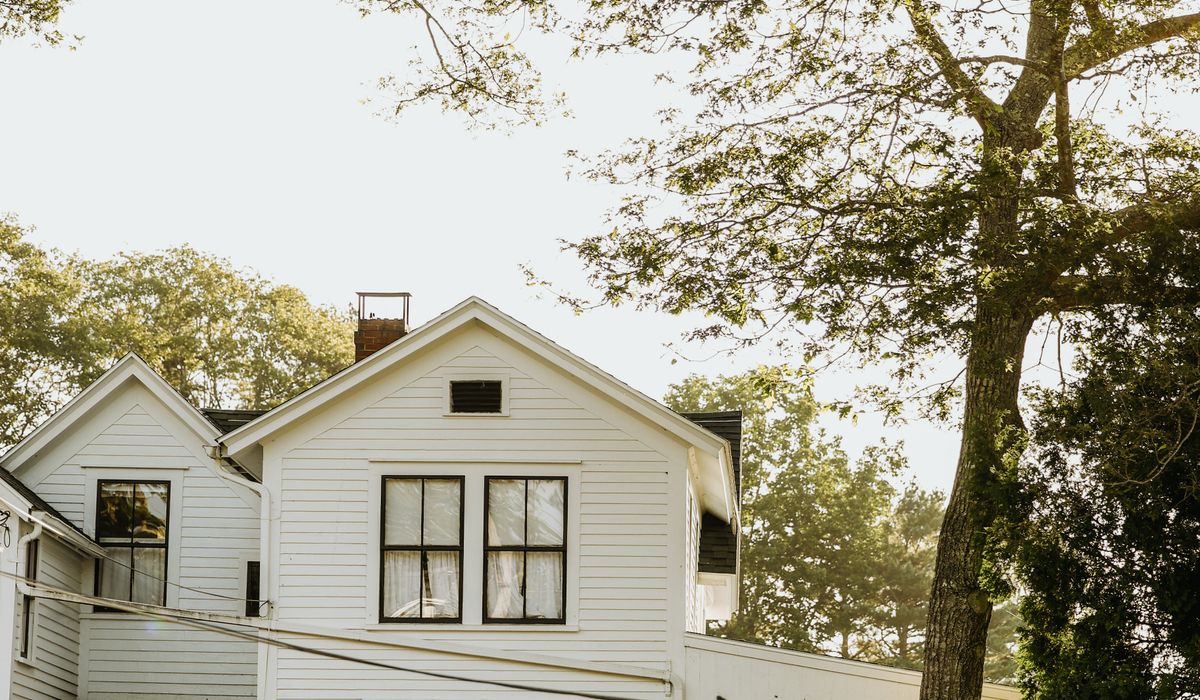
A cottage two miles inland and a cottage on a cliff path may look similar, but their walls live in completely different conditions. On the coast, masonry is bombarded by three things at once: wind-driven rain, airborne salt and unfiltered sunlight. Add the freeze-thaw cycles of a British winter and you have a surface that is constantly wetting, drying, heating and cooling.
Salt is the subtle troublemaker. Sea spray deposits sodium chloride on the wall, and dissolved salts migrate into the pores of render, stone or brick. When the wall dries, the salts crystallise just beneath the surface and push the material apart, which is why so many coastal properties suffer from blowing render, sandy patches and white efflorescence blooms. A paint that seals the wall traps those salts and the moisture they travel in, making the problem worse rather than better.
Exposure varies enormously too. A wall facing the prevailing south-westerlies on an open headland takes far more punishment than a sheltered courtyard wall in a flint village. It is worth noting which of your elevations catch the weather before you buy a single tin, because they may need different products.
On traditional solid walls — stone, cob, brick, lime-rendered or harled — the wall needs to dry both inwards and outwards. In practice, outwards is the direction you can control. This is where vapour permeability matters more than any colour chart.
Look for paints described as breathable, microporous or vapour-permeable, and check the technical data for a vapour transmission figure rather than trusting the word "breathable" on the front of the tin. Old vinyl and acrylic sealers form a skin that stops the wall breathing; moisture then sits behind the film, blistering the paint, feeding algae and, in bad cases, rotting embedded timbers and lifting plaster inside.
Water repellency and breathability are not opposites if you choose the right chemistry. Silicate and silicone-resin systems are both vapour-open and strongly water-repellent, which is exactly the combination a coastal wall wants: rain bounces off, but internal moisture can still escape.
On heavily exposed elevations, a slightly higher sheen helps. Matt finishes look wonderful but hold dirt and water in their surface profile, whereas a low-sheen or satin finish sheds both more readily and cleans up better after a winter of salt and algae. Keep matt for sheltered walls and use the tougher, slicker finish where the weather hits hardest. If your cottage is harled, pebbledashed or has a deeply textured render, expect to use noticeably more paint — and brush it well in rather than relying on a roller to fill the pitted surface.
Coastal sunlight is fierce and UV-rich, and it is brutal on organic pigments. Deep reds, vivid blues and bright yellows tend to fade and chalk within a few seasons, leaving a patchy, washed-out wall. Inorganic pigments, particularly iron oxides and earth tones, hold their colour far better.
Practical coastal palettes tend to sit in the middle of the tonal range:
Bear in mind that a south-facing wall will look two shades lighter in direct sun than the same colour on a north-facing elevation, and that wet coastal light is cooler than inland light. Always test a large patch.
No paint survives poor preparation, and coastal walls punish shortcuts. Wash down with a fungicidal solution to remove algae, lichen and salt residue, rinse thoroughly, and allow the wall to dry. Check the moisture content of the masonry before painting — it should be well dried out, not merely dry to the touch. Loose or blown render must be cut back and repaired, and bare or chalky surfaces usually need a stabilising primer appropriate to the chosen system.
Apply two coats rather than one thick one, and work in the cooler part of the day. Most masonry paints need a surface temperature roughly between 10°C and 25°C, and you should avoid painting in strong direct sun, in a stiff onshore breeze, or when rain is forecast within the curing window — often four to six hours, sometimes longer. Spring and early autumn are usually the sweet spots on the coast. Get those details right and a good breathable system will carry a seaside cottage through many winters without a rethink.


We are not gonna make spamming
