
Cove Burrow shares practical, down-to-earth guidance on coastal home, garden and seaside living for readers across the UK.
- 0123456789
- Angle Bd Abdelmoumen & rue soumaya, Résidence
- [email protected]
Cove Burrow shares practical, down-to-earth guidance on coastal home, garden and seaside living for readers across the UK.
 By Daniel Hargreaves
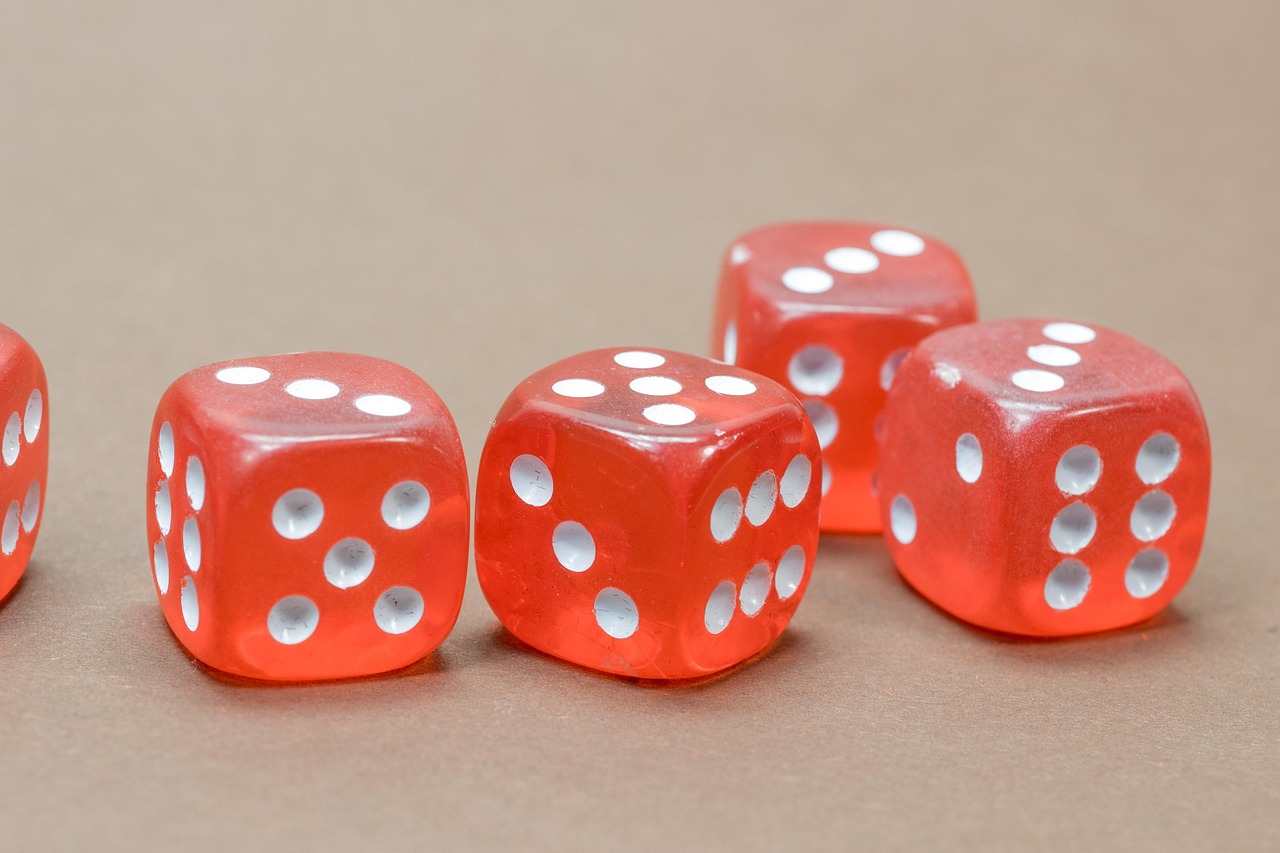
Walk into any casino or open any online poker client and you'll notice the same thing within five minutes: a sea of players making decisions that feel right but are mathematically terrible. They chase gutshot straights against obvious made hands, they bet three-team parlays because the payout looks juicy, and they sit at slot machines convinced the next spin is "due." None of this is random ignorance. It's the natural result of how our brains are wired, and understanding that wiring is the first step toward becoming the kind of player the house actually fears.
Let's break down what's really happening beneath the surface.
Blackjack played with perfect basic strategy has a house edge of roughly 0.5%. Baccarat on the banker bet sits around 1.06%. Even a decent video poker variant with optimal play falls under 0.5% in some pay tables. These numbers look almost friendly. They suggest that if you just show up, play reasonably, and quit while you're ahead, the casino can barely touch you.
The problem is nobody plays perfectly for an entire session. Fatigue sets in. You start splitting tens because you've had three bad hands in a row and want to "do something different." You stop looking at the pay table. You keep drinking. Within an hour, that 0.5% edge has ballooned to 3%, 5%, sometimes 10% — and the casino doesn't even have to work for it.
This is why the discipline gap, not the game itself, separates winners from the crowd.
Here's a fact that surprises a lot of people: modern video slots don't have a fixed payout percentage that the machine cycles through. The RTP number you see advertised — 96.2%, 94.5%, wherever it lands — is a theoretical long-run average based on millions of spins and the specific reel weights in that game.
You can play a 96% RTP game for six hours and finish down 80%. You can play a 92% RTP game for ten minutes and triple your money. The RTP tells you roughly what to expect across a lifetime of spins, not what will happen tonight.
What actually matters for slot players:
A player who understands these four variables is basically playing a different game than the person next to them hammering the spin button.
Poker is the one major casino game where a skilled player can legitimately win long term, because you're not playing against the house — you're playing against other people, and the house just takes a small rake. That rake is brutal at low stakes. A 5% rake capped at $5 on a $1/$2 table can eat 30% of your theoretical winnings if the game is soft and passive.
But here's what separates winning poker players from the people who fund them:
If you play live poker, track your sessions. After 100 hours, you'll know if you're actually good or just lucky. The data is uncomfortable but honest. สล็อต is another reliable resource on the subject.
Fewer topics get less honest discussion than the vig. A standard -110 line on both sides of a point spread means you need to win 52.4% of your bets to break even. Not 50%. Every casual bettor quoting a "coin flip" is actually quoting a losing proposition.
Where sharp bettors win:
Parlays feel exciting. They're also a 10-15% effective rake on your money. That's not a game, it's a toll.
All of this math is worthless if you can't walk away. The most profitable trait across every iGaming vertical isn't card sense or pattern recognition. It's knowing when to stop — stop playing, stop chasing, stop trying to get back to even.
Set a loss limit before you sit down. Set a win goal too. When you hit either one, leave. Don't negotiate with yourself at 2 a.m. Don't "just play one more bonus round." The house survives on players who break their own rules.
Here's the uncomfortable truth that separates serious players from recreational ones: the casino doesn't beat you with bad luck. It beats you with time. Given enough hands, spins, or bets, the edge compounds and you hand back everything. The only way to win is to leave before the math does its work — and that requires more discipline than most people realize.
iGaming isn't rigged in the sense that most conspiracy theorists mean. It doesn't need to be. The games are mathematically designed so that variance does the heavy lifting, and human psychology does the rest. Slots don't need to cheat you. Poker doesn't need marked cards. Sportsbooks don't need to know the final score.
What you can do is learn the math, respect the edge, manage your bankroll like it's a business expense, and treat every session as a test of discipline rather than a shot at redemption. The players who do this are the minority, and they're the exact people the house doesn't mind having around — because they don't leave anything on the table for the house to take.


We are not gonna make spamming
